by Ayo Olofin
Boosting your website's visibility in search results should be an important part of your optimization in 2024.
Mastering on-page SEO is necessary for climbing the rankings and attracting more organic traffic.
In this sophisticated guide, we'll walk you through everything you need to know about on-page SEO in 2024, including best practices, key elements, and tools to help you succeed.
What is On-Page SEO?
On-page SEO refers to the practice of optimizing individual web pages to rank higher and earn more relevant traffic in search engines.
Unlike off-page SEO, which focuses on signals from other websites, on-page SEO deals with both the content and HTML source code of a page that can be optimized.
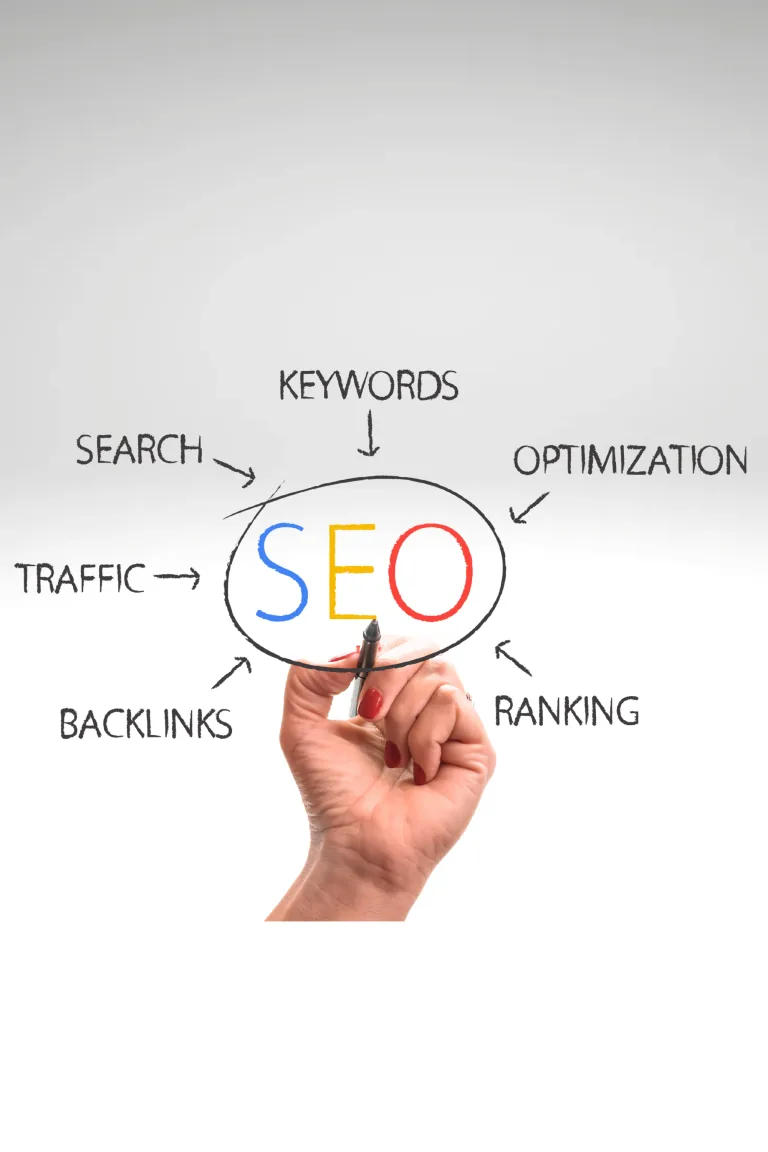
Key Elements of On-Page SEO
- Title Tags - Your title tag is the first impression you make on potential visitors from the search engine results pages (SERPs). To optimize your title tags:
- Keep them under 60 characters
- Include your primary keyword near the beginning
- Make them compelling and relevant to the page content
- Meta Descriptions - While not a direct ranking factor, meta descriptions can improve click-through rates. Best practices include:
- Keeping them between 150-160 characters
- Incorporating your primary keyword naturally
- Writing a concise summary of the page content
- Including a call-to-action when appropriate
- Header Tags (H1, H2, H3, etc.) - Header tags help structure your content and make it easier for both users and search engines to understand. Tips for optimization:
- Use only one H1 tag per page, typically for the main title
- Include keywords in H2 and H3 tags where relevant
- Maintain a logical hierarchy (H1 > H2 > H3)
- URL Structure Clean, descriptive URLs can improve both user experience and search visibility. Aim to:
- Keep URLs short and descriptive
- Include your target keyword
- Use hyphens to separate words
- Avoid unnecessary parameters or numbers
- Content Optimization - High-quality, relevant content is the cornerstone of on-page SEO. To optimize your content:
- Focus on creating in-depth, valuable content
- Use your primary keyword naturally throughout the text
- Incorporate related keywords and synonyms
- Structure content with short paragraphs and bulleted lists for readability
- Add relevant images, videos, or infographics to enhance engagement
- Image Optimization - Properly optimized images can contribute to your SEO efforts. Remember to:
- Use descriptive file names
- Add alt text that includes relevant keywords
- Compress images to improve page load speed
- Internal Linking - A strong internal linking structure helps search engines understand your site's hierarchy and spreads link equity. Best practices include:
- Linking to relevant, high-value pages within your site
- Using descriptive anchor text
- Ensuring all important pages are no more than 3 clicks from the homepage
- Schema Markup - Implementing schema markup can help search engines better understand your content and potentially lead to rich snippets in search results. Consider adding schema for:
- Articles
- Products
- Reviews
- Local businesses
- Events
Best Practices for On-Page SEO
- Prioritize user experience
- Ensure your content is mobile-friendly
- Improve page load speed
- Create unique, valuable content for each page
- Update and refresh content regularly
- Use LSI (Latent Semantic Indexing) keywords
- Optimize for featured snippets
- Implement proper canonical tags to avoid duplicate content issues
Tools to Help with On-Page SEO
- Yoast SEO (WordPress plugin)
- SEMrush On-Page SEO Checker
- Google Search Console
- Screaming Frog SEO Spider
- PageSpeed Insights
- Surfer SEO
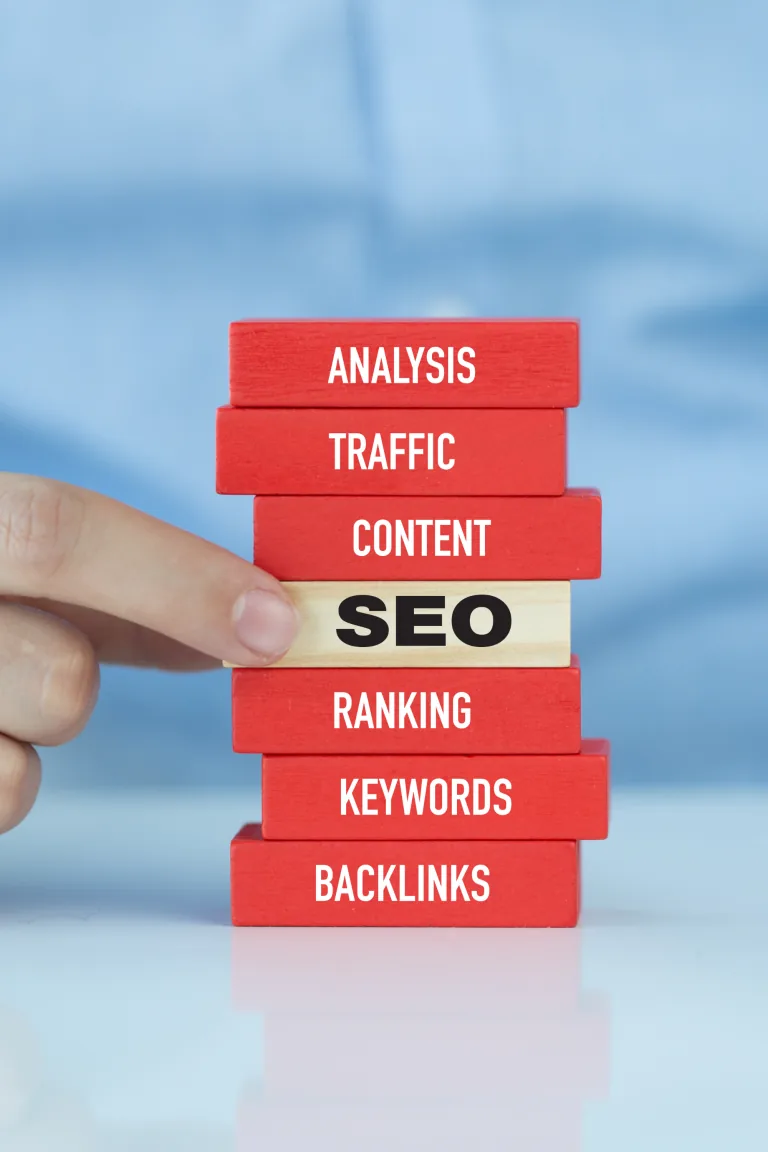
For improving your website's search engine rankings and driving more organic traffic you need to master on-page SEO very perfectly.
Follow the best practices I have listed above, you'll be well on your way to optimizing your content for Google in 2024 and beyond.
Remember, SEO is an ongoing process. Regularly audit your on-page SEO efforts, stay updated with the latest trends and algorithm changes, and continuously work on improving your content to maintain and boost your search engine rankings.
Are you ready to take your on-page SEO to the next level? Start implementing these strategies today and watch your organic traffic grow!
PS: I have a very good book I wrote from my wealth of knowledge of my close to a decade experience in Sales, Marketing and Copywriting, It will 25x your revenue - Get it here
Loading the conversation...